What Does It Mean When a Library Wins Two Architecture Awards?
Libraries are often described as anchors of a community, but that framing can flatten what a well-run library system actually does. In Garland, the evidence of the past year suggests something more specific is happening: the city’s public library network has accumulated a run of recognitions, grants, and programming expansions that, taken together, paint a picture of an institution in active transformation.
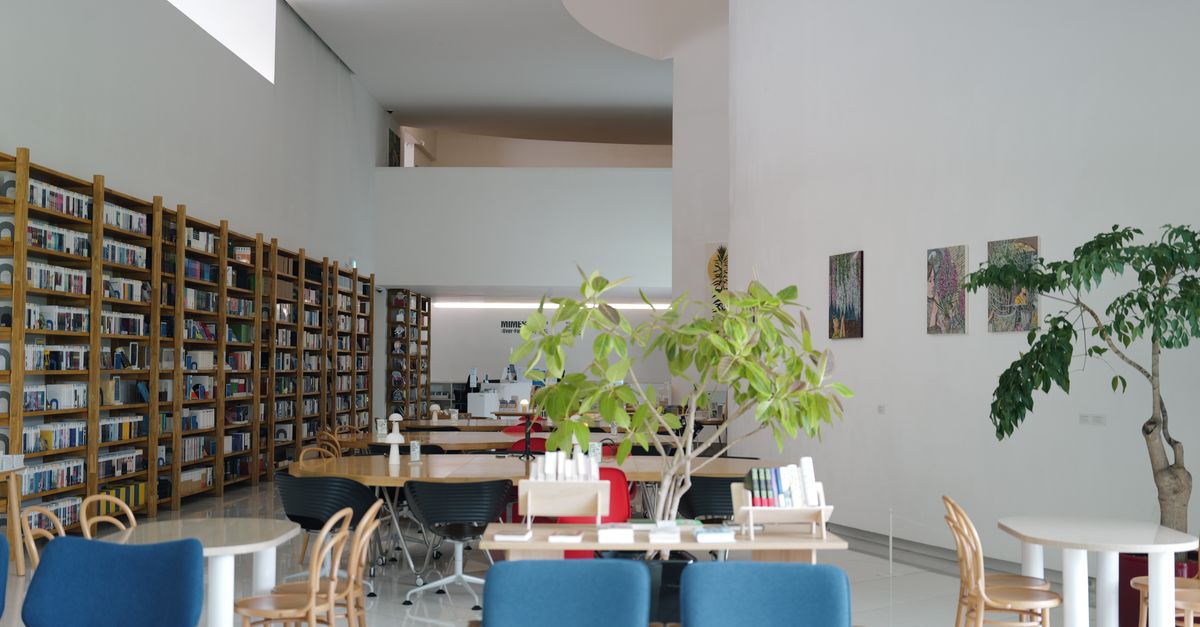
The most visible signal came from the Texas Downtown Association, which presented the renovated Garland Central Library with not one but two awards in its Best Public Improvement category — the President’s Award and the People’s Choice Award, both in the division for cities with populations over 50,000. Winning either honor in a competitive statewide field would be notable. Winning both, in the same cycle, for the same project, is a different order of achievement.
The Texas Downtown Association’s awards program evaluates projects on the basis of their contribution to downtown vitality, design quality, and community impact. For Garland’s Central Library renovation to claim the juried President’s Award alongside a public-voted People’s Choice Award suggests the project resonated on two distinct levels: with professionals who assess urban development for a living, and with everyday Texans who recognize a meaningful public space when they see one.
Why Is a Book Grant About More Than Books?
Garland Public Libraries has also been named a 2026 Texas Book Festival Texas Library Grant recipient, receiving $2,500 to expand the Spanish-language board book collection at the Central Library. The dollar amount is modest in municipal budget terms, but the selection itself carries weight. The Texas Book Festival does not distribute these grants broadly; libraries must demonstrate a genuine commitment to collection development that serves underrepresented community needs.
For Garland, a city with a substantial and growing Spanish-speaking population, the investment in Spanish-language materials for the youngest readers — board books are designed for infants and toddlers — reflects a particular kind of institutional intentionality. Early literacy research consistently shows that children who are read to in their home language before they enter school arrive better prepared for formal education. Stocking those materials at the Central Library means families who might not otherwise have easy access to culturally and linguistically appropriate early childhood books now do.
The grant also positions the library as an active participant in the Texas Book Festival’s statewide network, which brings additional visibility and potential future funding relationships.
What Are the Libraries Actually Offering This Fall?
Beyond bricks, mortar, and collection development, the programming calendar running through fall 2026 illustrates how broadly Garland Public Libraries have defined their mission.
At the North Garland Library, the October STEAM Lab is part of a recurring weekly series that offers hands-on science, technology, engineering, art, and mathematics activities for children and families. The programs are free and open to all, removing the financial barrier that often determines which children get access to enrichment activities outside of school hours. In a city the size of Garland, where working families are stretched across multiple jobs and school schedules, a free Saturday afternoon science lab at a neighborhood branch is not a small thing.
The Central Library is hosting a bilingual clay sculpting program — listed on the city’s events calendar as both “Make a Clay Mythical Creature” and its Spanish-language counterpart, “¡Haz un Alebrije de Plastilina!” — inviting children to build fantastical figures out of clay at 6:00 p.m. The program’s timing is not accidental. It runs in the same fall window as the broader alebrije-themed cultural programming taking shape across Downtown Garland, giving library visitors a tactile, creative way to engage with the artistic tradition behind the colorful mythological creatures. Readers should verify the exact date at library.garlandtx.gov before planning a visit.
The West Garland Library is also hosting a Mid-Autumn Festival family event at 10:30 a.m., reflecting the library system’s effort to acknowledge the range of cultural communities that call Garland home. Again, the precise date is confirmed on the library’s events calendar but should be verified directly at library.garlandtx.gov.
Can a Library Help You Start a Business?
One of the less-publicized dimensions of what Garland Public Libraries are doing this fall involves economic development. Through a network of community partnerships, the library system is offering free, expert-led business and financial education programs to residents.
This kind of programming represents a relatively recent evolution in how urban public libraries understand their role. The traditional model — lend books, provide quiet study space, maintain reference collections — has given way, in many forward-thinking systems, to a broader conception of the library as a civic resource center. Offering free business education acknowledges that not every Garland resident who wants to start a small business, manage debt more effectively, or build financial literacy has the resources to pay for a consultant or course.
For a city that has worked to cultivate local entrepreneurship and economic resilience, embedding that kind of education within a trusted, accessible public institution is a practical strategy. The library becomes a front door to economic opportunity, not just a repository of information.
What Does This Add Up to for Garland Residents?
Taken in isolation, each of these items — an architecture award, a book grant, a STEAM lab, a clay-sculpting class, a business education series — might read as routine library news. Placed together, they describe a municipal library system that has made a deliberate choice to be useful in multiple registers simultaneously: as a cultural institution, a children’s education center, an early literacy resource for non-English-speaking families, a community gathering space, and an economic development partner.
The Texas Downtown Association’s recognition of the Central Library renovation as a Best Public Improvement winner signals that outside observers have noticed something real. The question for Garland residents is whether they are taking advantage of what the library system has built.
All programs mentioned are free. Details and confirmed dates for fall 2026 programming are available at library.garlandtx.gov.