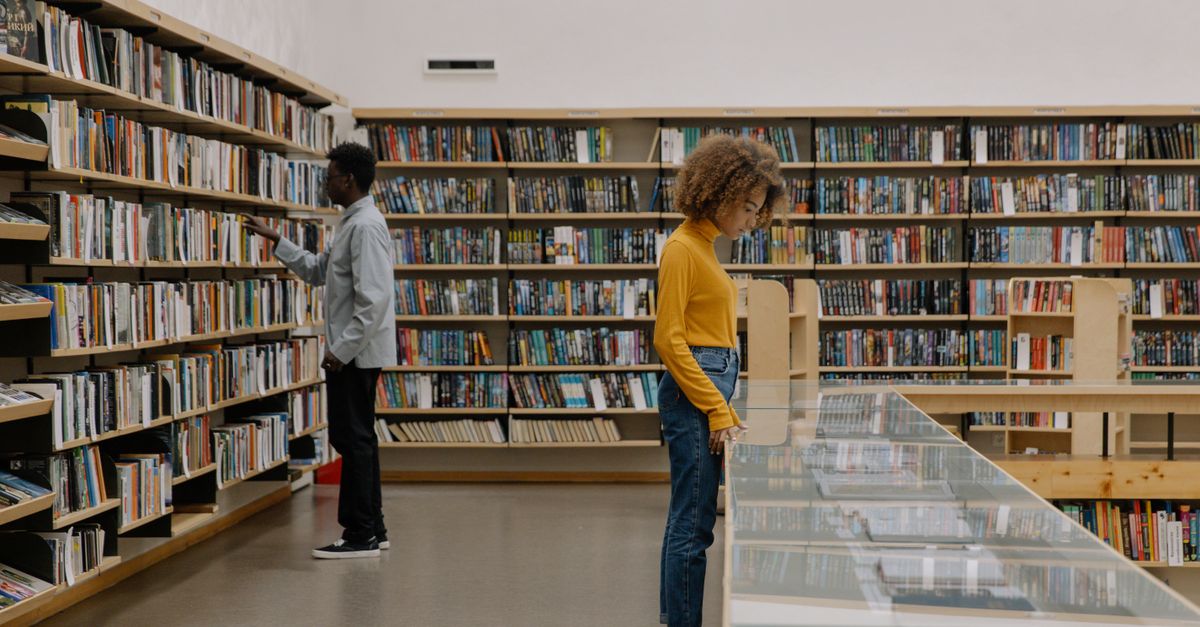
A Library That Sounds Like a Field Station
Walk into any Garland Public Library branch on a weekday morning this summer and you might hear the particular chaos of children elbow-deep in a simulated excavation, or crowded around a science presenter holding something that moves. The 2026 summer reading program, titled Club Curiosity: Unearth a Story, leans hard into a dinosaur theme — and the weekly lineup of events makes it feel less like a reading incentive program and more like a rotating science fair.
The program runs all summer through August at every branch in the system, and every event in the series is free.
What the Program Actually Looks Like
The Garland Public Libraries built this year’s schedule around hands-on programming that moves between the scientific and the theatrical. Weekly events include science shows, dino digs, STEAM labs, magic shows, and animal encounters. That range is deliberate — it pulls in kids who want to get their hands dirty alongside kids who would rather watch a performer work.
The dinosaur theme gives the programming a through-line without boxing it in. A dino dig teaches basic excavation concepts and patience. A STEAM lab might use fossil shapes to introduce geometry or material science. An animal encounter brings the living world into a conversation that started with creatures that have been gone for 66 million years. The connective tissue is curiosity, which is exactly what the program’s name advertises.
Why the Theme Works Here
Garland is a city where a significant share of families are raising kids in apartments or in neighborhoods without easy access to enrichment programs that carry a price tag. The library system’s decision to build a summer calendar this dense — and keep the whole thing free — reflects an understanding of that reality.
The dinosaur hook matters for a practical reason: it travels. A child who gets interested in fossils at a library dig has a reason to check out a book, which is the original point, but also has a reason to look things up, ask a parent a question, and come back next week. The theme gives the summer a shape that a loose collection of programs would not.
The Weekly Rhythm
Because events rotate through branches across the district, families can follow the calendar and find programming near them on multiple occasions throughout the summer. The structure rewards repeat visits. A family that catches a science show at one branch might turn up for an animal encounter at another a week later.
That kind of distributed scheduling is one of the underappreciated things the Garland library system does well. Rather than concentrating the most compelling programming at a flagship location and leaving satellite branches with less, the rotating model spreads access. For a city that spans a significant geographic footprint with distinct neighborhoods — from the older streets near downtown to the newer developments out toward Firewheel — that distribution is not a small thing.
STEAM in Practice
The STEAM lab component is worth pausing on. Science, technology, engineering, art, and math programming has become something of a standard feature at public libraries nationwide over the past decade, but quality varies widely. Garland’s version, embedded inside a themed program with narrative momentum, gives the STEAM work a context that pure skills programming sometimes lacks.
Kids are not just learning to measure or code or construct — they are doing it in the frame of a story about discovery and deep time. That framing tends to stick.
What Families Should Know
The program continues through August, which means there are still several weeks of events ahead. Because the schedule rotates by branch, the best move is to check the library’s calendar directly to find which events are coming to which locations in the coming weeks. All programming is listed there, and registration requirements, where they exist, will be noted.
No materials, fees, or library card are required to attend the public events, though having a card opens up the full reading log and incentive program that runs alongside the live programming.
A Summer Investment That Compounds
Summer learning loss is a documented phenomenon, and it hits hardest in communities where families have the fewest alternatives when school is out. A library system that runs eight weeks of free, thematic, high-engagement programming across every branch is making a concrete bet against that slide.
Club Curiosity: Unearth a Story will not make the news the way a ribbon-cutting does. But the kids who spent a Tuesday morning at a dino dig in July, then checked out three books about paleontology, then showed up to a STEAM lab the following week — they are the evidence that something is working in Garland this summer.